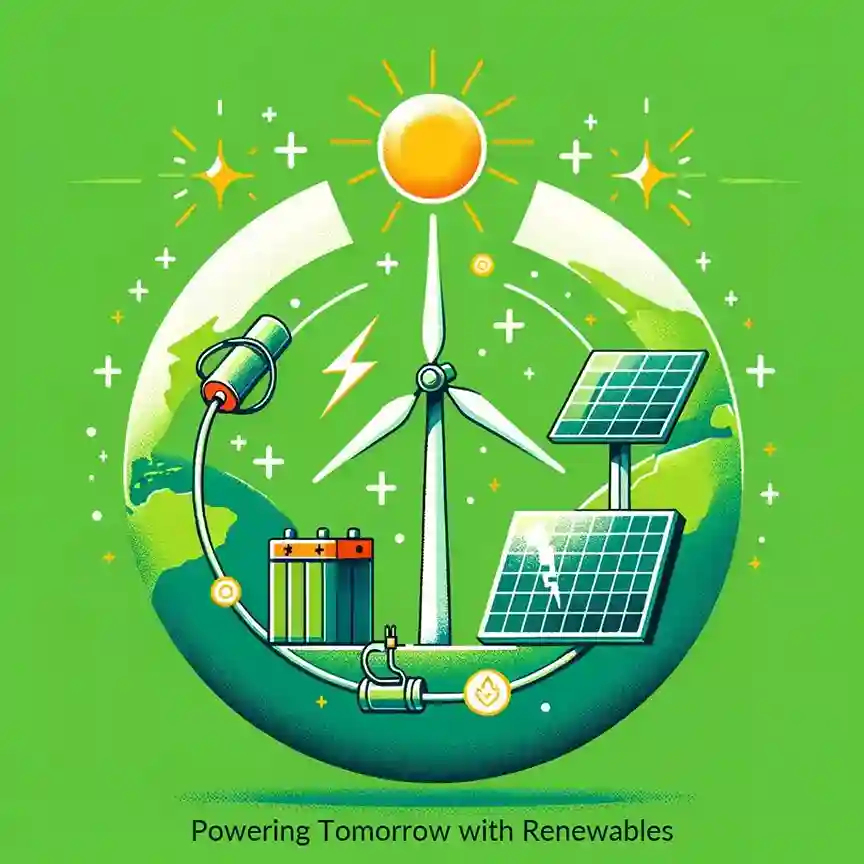
Renewable Energy: Solar, Wind, Hydro, Biomass, Geothermal
Renewable energy, or clean energy, is rapidly becoming the key to sustaining the planet as traditional energy sources like petroleum, coal, and natural gas face depletion. Every day, nearly 100 million barrels of oil are consumed worldwide, with the United States and China being the largest consumers. Experts estimate coal reserves could last about 139 years, oil for 47 years, and natural gas between 90 to 120 years. In contrast, energy from the sun, wind, water, and biomass offers a nearly endless supply.
Solar Energy
Solar energy is perhaps the most abundant and reliable source of renewable energy. The sun has been shining for over 4 billion years and is expected to continue for another 5 billion years. The amount of solar energy hitting the Earth in just 90 minutes could meet global electricity demands for an entire year.
Solar energy is harnessed primarily through solar panels composed of silicon-based solar cells. These cells have layers with positive and negative charges, and when photons from sunlight hit them, electrons move, generating electricity. Since there are no moving parts, solar panels produce no waste and last for decades.
China leads the world in solar energy production, consuming around 36% of the global total and generating more than 600,000 megawatts of electricity. The United States ranks second, while Germany leads in installations, and India is the third-largest producer globally. In addition to solar panels, solar water heaters, cookers, thermal power plants, solar-powered vehicles, street lights, cooling systems, and appliances are becoming more widespread. Bhadrla Solar Park in Rajasthan, India, is the country’s largest solar park.
Wind Energy
Wind energy is another reliable source of electricity, using the kinetic energy of moving air to generate power. Wind turbines, or windmills, convert wind movement into mechanical energy and then into electricity via generators. Areas with high wind speeds, such as deserts or hill regions, are ideal for wind farms.
In 2023, approximately 7.8% of the world’s electricity came from wind energy. China leads the production, followed by the United States, Germany, India, Spain, the United Kingdom, and France. In India, wind energy generated 71.8 terawatt-hours in 2022–2023, accounting for 4.43% of the country’s electricity. The Muppandal Wind Park in Tamil Nadu is India’s largest, with a capacity of 1,500 megawatts.
Hydropower
Hydropower is one of the oldest and most common methods of producing electricity using rivers or lakes. Dams are built to control water flow, turning turbines to generate electricity. China dominates hydropower production, generating 12,451 terawatt-hours in 2023, covering 30% of the world’s electricity demand. Other leading countries include Brazil, Canada, the United States, and Russia. In India, the total hydroelectric capacity is approximately 148,000 megawatts, with major projects like the Koyna Dam in Maharashtra and Tehri Dam in Uttarakhand. The Three Gorges Dam in China is the world’s largest, measuring 2,335 meters in length and 181 meters in height.
Biomass Energy
Biomass energy comes from organic materials such as plants, crop residues, animal waste, and decomposed organic matter. This energy is essentially stored sunlight captured by plants through photosynthesis. Biomass energy can be used through direct combustion, such as burning wood, or via fermentation to produce biofuels like ethanol.
For example, wood can be burned to heat water, which turns turbines to generate electricity. Animal waste, such as cow dung, is also used to produce biogas for cooking and electricity. India has an estimated biomass capacity of 18,000 megawatts, capable of producing 14,465 million units of electricity annually. Agricultural residues generate approximately 754 million tons of biomass per year, of which 228 million tons is surplus, capable of producing an additional 2,845 megawatts. Biogas facilities with a capacity of 200 million cubic meters per year help control pollution and greenhouse gas emissions.
Geothermal Energy
Geothermal energy harnesses heat from the Earth’s interior. Hot water or steam from beneath the surface is used to drive turbines and generate electricity. Geothermal plants typically drill 3 to 10 kilometers underground to access this heat.
In 2022, the United States generated around 92 billion kilowatt-hours of geothermal energy. Other countries actively producing geothermal power include Indonesia, the Philippines, Iceland, Kenya, and El Salvador. In India, companies like Tata Power, Thermax, and NTPC are investing in geothermal energy projects.
The Role and Challenges of Renewable Energy
Renewable energy currently provides only 29% of the world’s electricity. Achieving 100% reliance on clean energy requires reducing costs and improving accessibility. Electricity is essential for homes, offices, factories, lifts, and computers, while petroleum fuels are necessary for transportation systems like cars, trucks, and ships.
Although solar panels, hydroelectric dams, and biomass systems provide significant energy, challenges remain in consistent availability and transportation of power to population centers. For example, deserts have high sunlight but are far from major cities, making energy transport costly. Similarly, hydro and biomass energy are location-dependent. Energy losses also occur during electricity transmission through conventional wires.
Technological innovations, such as better energy storage solutions and efficient infrastructure, are crucial for making renewable energy cheaper and widely accessible. Superconductors and advanced storage systems could minimize power loss and allow renewable energy to meet global demand effectively.
Conclusion
Renewable energy sources—including solar, wind, hydro, biomass, and geothermal—offer sustainable and safe alternatives to fossil fuels. They are abundant, environmentally friendly, and essential for reducing pollution and greenhouse gas emissions. Despite challenges in distribution and storage, continued technological innovation and infrastructure development can ensure a transition to a cleaner, more sustainable energy future.
Investing in renewable energy not only safeguards the planet but also provides long-term economic benefits and energy security. Solar panels, wind turbines, hydroelectric dams, biomass plants, and geothermal facilities represent a diverse portfolio of solutions that can collectively power the world sustainably.